
Getting to grips with Safeguarding
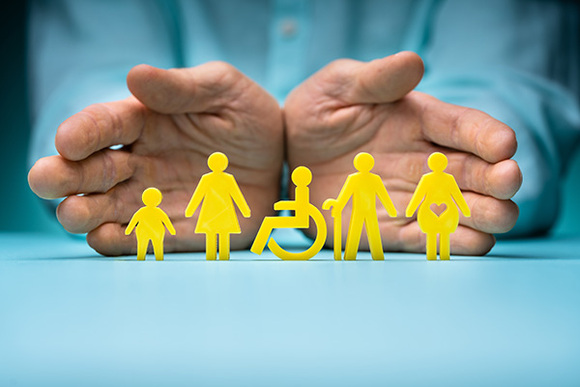
In this section, we’re going to bring all of the work we’ve done so far on relationships, zones and problem solving together to get a full picture of what safeguarding is there to do during your volunteering placement, and how you can take positive action to ensure everyone’s safety.
What is safeguarding?
If you had to come up with a definition of safeguarding, what would it be? Stick your thoughts in the padlet below

At WCIA, we define it as:

In real terms, what this means is that we are committed to everyone (but particularly volunteers under eighteen) staying well within their learning and growth zones when they volunteer with us. Sometimes, that means we support people in organizing their exchanges and help them to problem solve when things go wrong. Sometimes, that means we work with partners to agree codes of conduct so that power stays equal between different countries and the host/volunteer. Sometimes, that looks like us discouraging relationships where we feel the power isn’t well balanced.
We would always report incidents that involve potential abuses of power, any activity intended to cause physical or emotional har, humiliation or exploitation, exchanges of money or goods for sex, or sexual relationships with anyone under eighteen. Even when you are unsure, we want to hear about any situations where people feel unsafe or uncertain because safeguarding doesn’t come with a name badge to let you know to report. It’s not being impolite, speaking to us confidentially helps keep everyone safer.
Have a look at the situations in this quiz, some of the situations we’ve already done and decide whether they’re a safeguarding issue or not. Don’t worry if you’re uncertain, we’ll look at the reasons in the next section