Leaders from the League of Nations to Cymru Global
Successive generations of leaders have spearheaded and inspired the peace and internationalism work facilitated from Wales’ Temple of Peace – originating with the Welsh League of Nations Union, founded in the aftermath of WW1; which morphed after WW2 into the United Nations Association (UNA) Wales; which itself founded the Welsh Centre for International Affairs (WCIA) from 1973; which (following organisational mergers over 2010-20s) rebranded as Cymru Global from 2026. Meet the Secretaries, Directors and Heads who have lead these bodies from 1918 to today:
2024-present
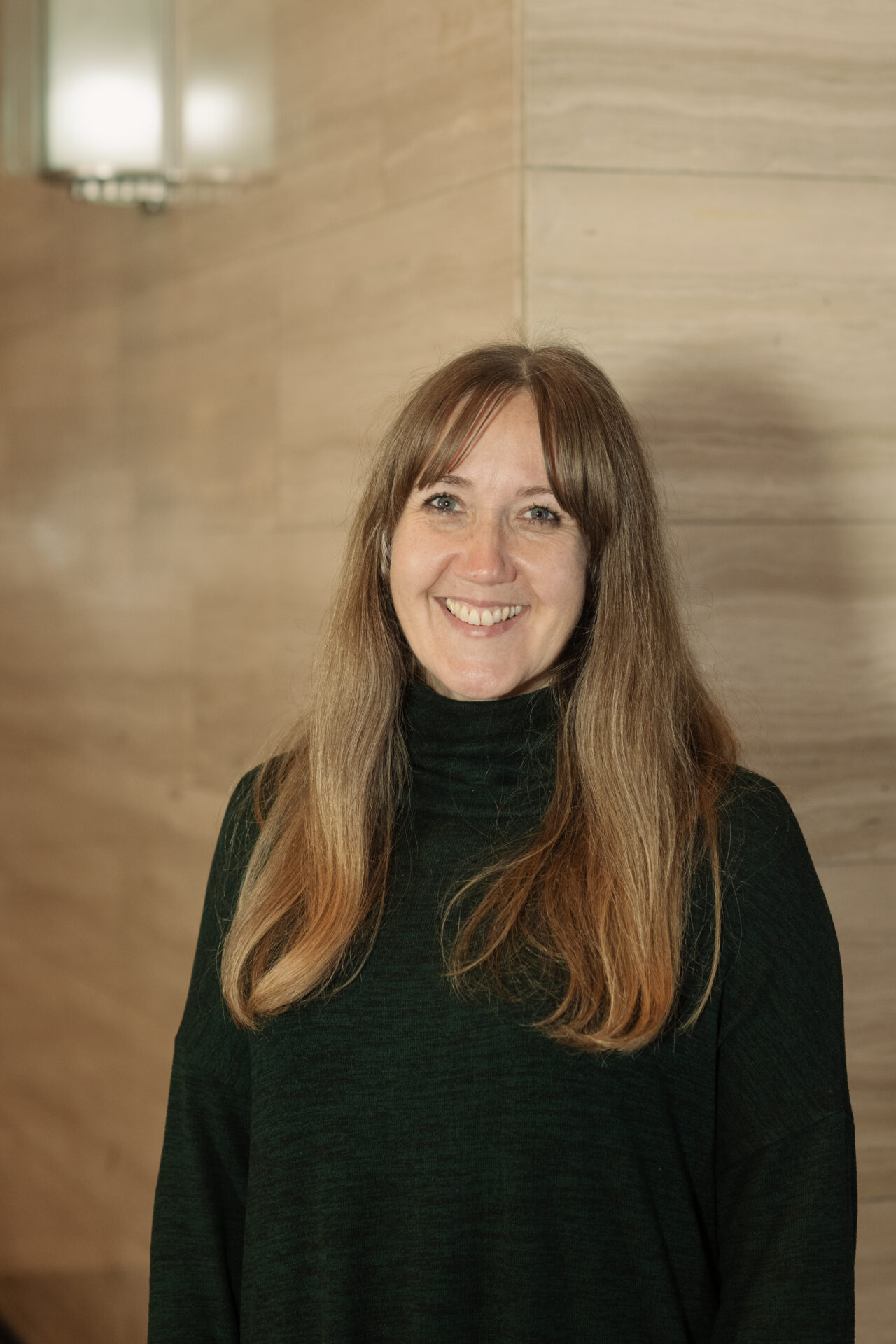
Hayley Morgan
Hayley joined WCIA from a long background in humanitarian work with Medicins sans Frontieres, and equalities with Welsh Government. Hayley has overseen the organisation’s transition from WCIA to Cymru Global, rebranding and development of our new 50 year strategy, as well as facilitating participation through the Temple Friends network and Cardiff University schools.

2018-2024
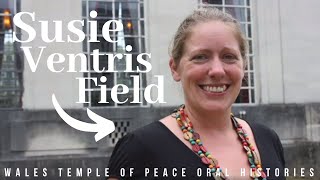
Susie Ventris-Field
Susie joined WCIA as Deputy Chief Executive in 2013 from equalities network Chwarae Teg in North Wales, having volunteered as a researcher (on diaspora inclusion) for WCIA’s Wales International Development Hub over 2012-13. Initially a temporary role to support the Temple’s 75th Anniversary, Susie’s role became permanent with her instrumental part in driving successful funding applications for the HLF Wales for Peace programme (£1.5m) and Hub Cymru Africa (£1.2m), as well as her background in communications (as a trained journalist) and volunteering. Susie took a ‘facilitatory’ approach to the role, enabling and encouraging others. She steered WCIA through the challenging period of the COVID pandemic, and post-COVID recovery which saw particular success in attracting and building Climate Cymru as a new pillar of WCIA’s work. Susie moved on from WCIA in 2024 to head up refugee charity Oasis.

2010-2018
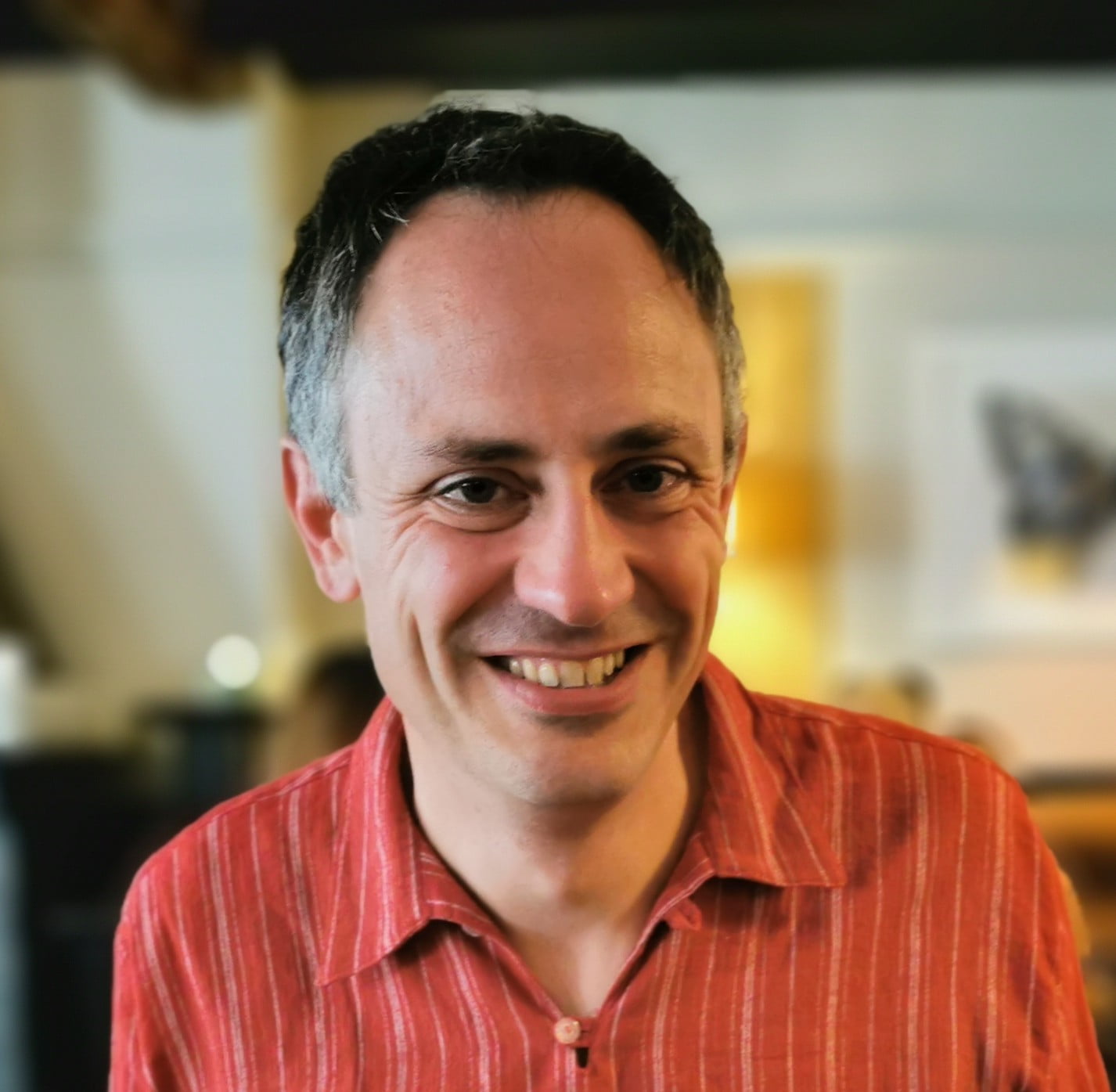
Martin Pollard
Martin had worked at the Temple from 2001 as Education Officer for CEWC, the Council for Education in World Citizenship, when he was asked by the Trustees to step in to an ‘Acting CEO’ role, which later became permanent. He had at that point recently secured and organised the 2008 World Schools Debating Championships. He was tasked with modernising the organisation into a CIO (Charitable Incorporated Organisation) with policies, processes, web presence and public image that could attract 'big funders' such as Welsh Government, European Commission and Heritage Lottery Fund. Martin initiated WCIA’s rebranding (‘pink circles’) and new website, and simplified the governance structure from the WW2-era ‘Standing Conference’ of 80 organisations, to the present-day Board of Trustees. In 2013 a Deputy CEO joined to support implementation and delivery, with a raft of modernised policies and procedures introduced that enabled ‘big grant’ applications starting with Temple75, then success in hosting the Wales International Development Hub (later HubCymru Africa), and then the HLF ‘Wales for Peace’ programme. Martin left WCIA to continue his organisational change experience at Learned Society of Wales 2018-21, and now heads the Primary Science Teaching Trust.

1997-2009
Stephen Thomas
Stephen joined WCIA from previous roles with Comic Relief and UNICEF, with a brief to gently modernise the organisation following Bill’s 23 year’s in post. He instituted a more inclusive approach with staff across the WCIA’s constituent bodies (UNA, CEWC, IYS / UNA Exchange, Cynefin y Werin and Cyfanfyd), whilst ensuring that each retained a strong membership driven mission. Individual membership had been the primary organisational model to this point, although this approach gradually declined across society as whole, as single issue campaigns and NGO movements became more of a norm (such as Jubilee 2000 and Make Poverty History). Stephen enabled WCIA to play a vocal role in advocating for creation of the Welsh Assembly with a strong civil society voice and input, which came into being from 1999, as well as a number of European networks. By 2009, falling membership fees and local authority incomes created a budget deficit leading to staff cuts, and the Director role was discontinued. Stephen went on to work for the Workers' Educational Association, and remains in regular contact with WCIA.

1963-1996
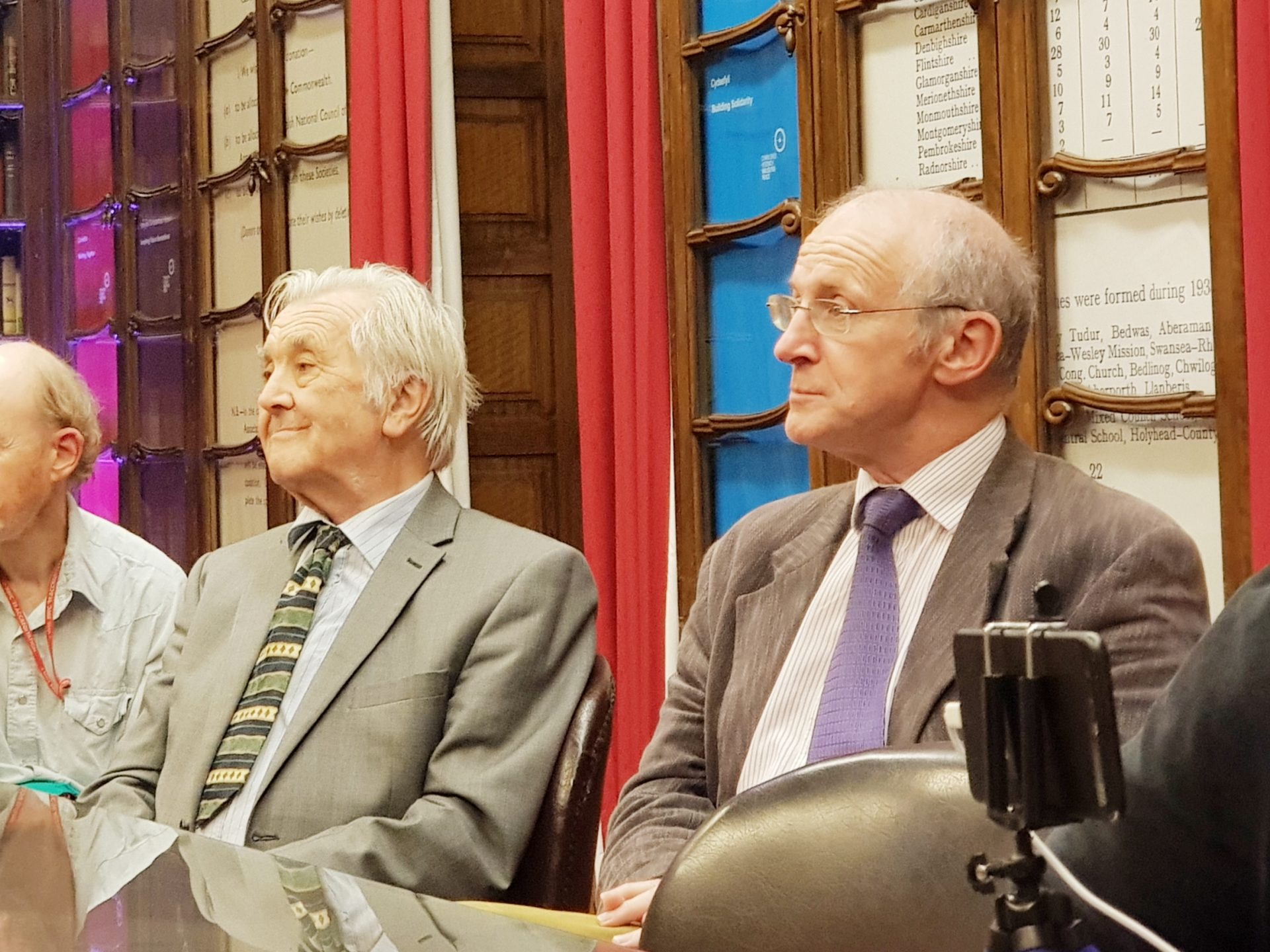
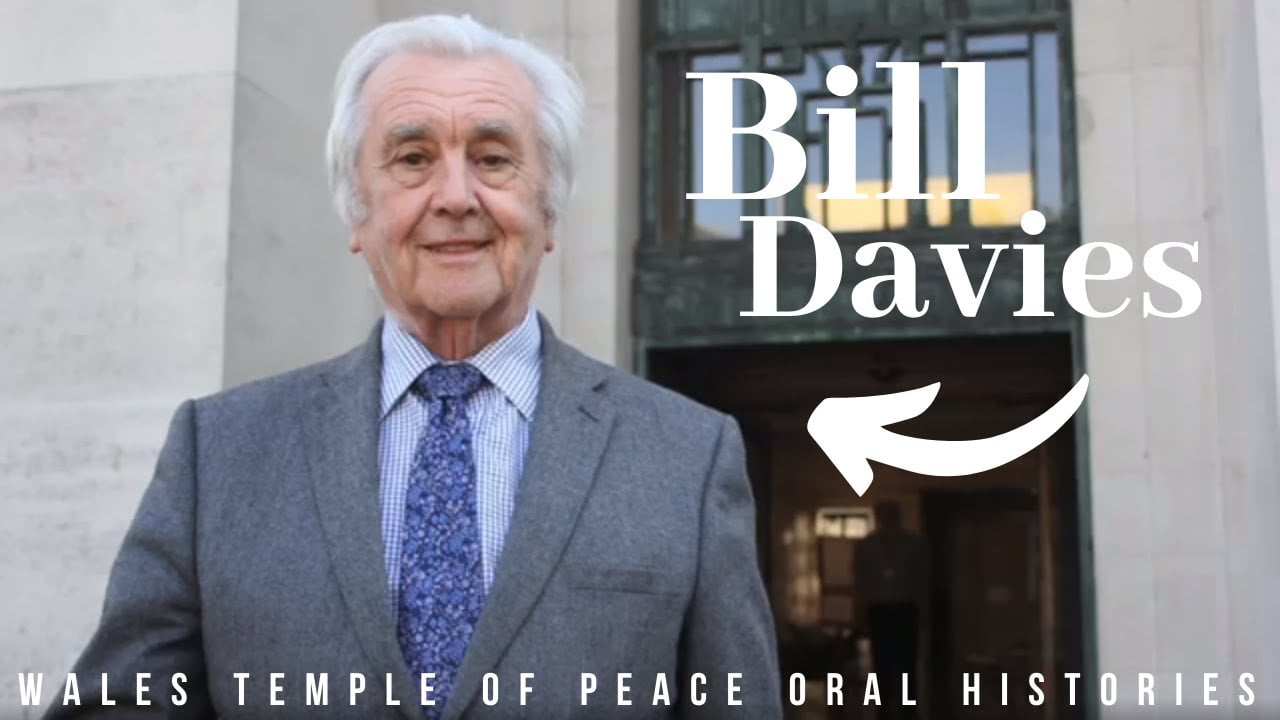
Bill Davies, UNA Wales General Secretary 1963-73, WCIA Founding Director 1973-1996
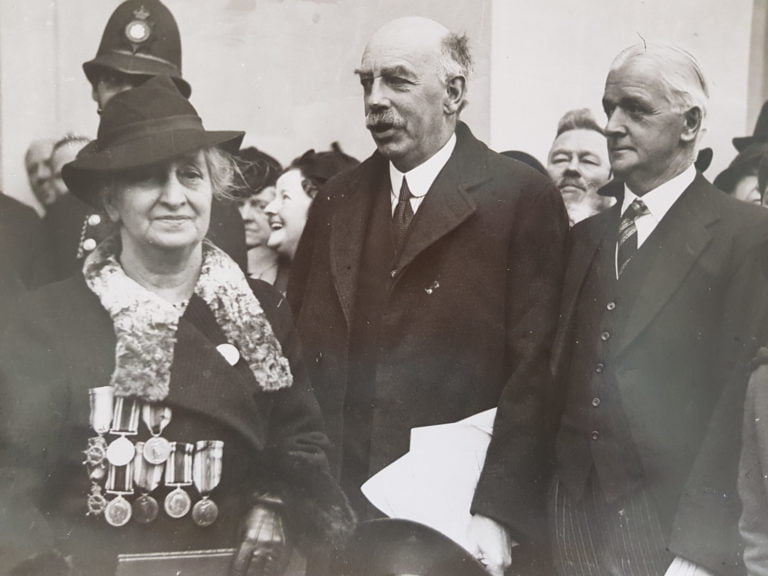
Bill had joined UNA as South Wales Organiser from April 1963, and identified that the potential for the Temple and its then disparate constituent bodies could be greatly increased if they came together under an umbrella organisation. UNA itself was a membership led campaigning body focused on human rights, which under the legislative norms of the era limited its capacity to develop Wales-focused policy and advocacy work with (multiple levels of) government, private and wider third sector, or educational activities (required to be politically neutral). Bill positioned the WCIA to become a society-leading 'Welsh institution', bringing together ‘the great and the good’ to channel energies towards international economic & social development, humanitarian projects and fundraising, youth volunteering, global citizenship education, and public campaigns.
During the 1970s-80s WCIA was regarded as very influential with a high public, media and political profile, quite a ‘top down’ operation working through local authorities moreso than community groups. This institutional approach, though now considered old-fashioned, at the time punched high above Wales’ profile. Bill’s approach as Director focused on networking and bringing in the ‘great and the good’ of society, aligning WCIA with world events, and managing a team who liaised with local authorities and statutory bodies to deliver projects. He retired in 1996 after 33 years at the Temple and 23 years as head, and remained a regular visitor and supporter of WCIA until his passing in Feb 2021.

1943-1963
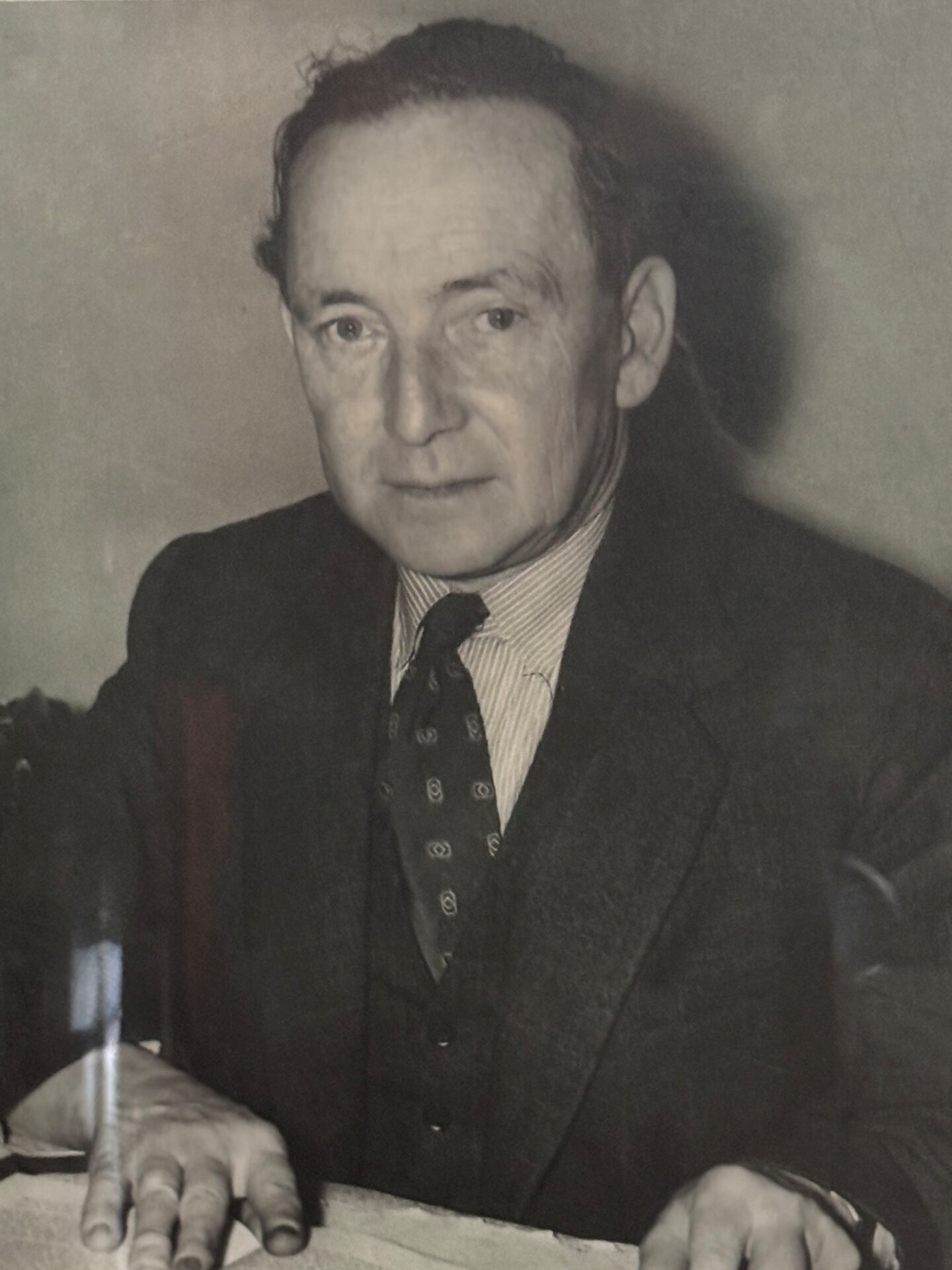
William Arnold, General Secretary of UNA Wales (United Nations Association)
Relatively little is (yet) known about Bill Arnold, as few papers seem to survive from the Temple Archives over 1940s-60s (it is thought that instead of accessioning records to the National Library of Wales, a ‘clear out’ may have destroyed these). In 1944, before Lord Davies died, Bill undertook a Wales-wide review of the branches and membership of the WLNU to assess where post-war prioritised should be focused, see paper on People’s Collection Wales. He was a passionate advocate for global education, having left school age 11 to work in a Neath iron foundry before progressing through night classes to Coleg Harlech, UW Aberystwyth and Oxford, and so dedicated much of his tenure to developing CEWC, the post-war education arm of the Temple’s work. He died quite suddenly in April 1963, still in post.

1920-1943
David Samways, WLNU General Secretary 1923-1943
DS was an efficient ‘back room administrator’ who was brought in to shore up the operational and financial rigour of WLNU – having started out as an Accounts Clerk in 1920 – particularly as construction of the Temple of Peace progressed and was handed over to the joint management of WLNU and WNMA. Although not high profile, he is a prominent background figure with his signature (or handwritten notes) on many archives that passed in or out of the WLNU / Temple of Peace – especially with organising the Temple’s opening ceremony, corresponding with WLNU’s network of up to 1,000 local branches, and organising regular meetings of the Welsh National Council (WNC). He resigned through ill health in 1943 and passed away 8 months later.

1922-1953
Gwilym Davies, Honorary Director of the Welsh League of Nations Union
A campaigning powerhouse and the driving force behind the WLNU's huge public peace campaigns of the 1920s-30s
Honorary Director / International Campaigns lead 1922-1945; Coordinator of Education / Global Citizenship networks 1922-1953
Internationally renowned as a campaigning ‘dynamo’ for the League of Nations and its underlying principles, GD was appointed Hon Director as both a public figurehead and (very prolific) spokesperson, and to provide clear leadership for the WLNU’s internal staff team to deliver in alignment with the direction set by the Wales National Council (WNC) Board. In Spring 1922 he undertook a review and reported on the staffing arrangements to date


1918
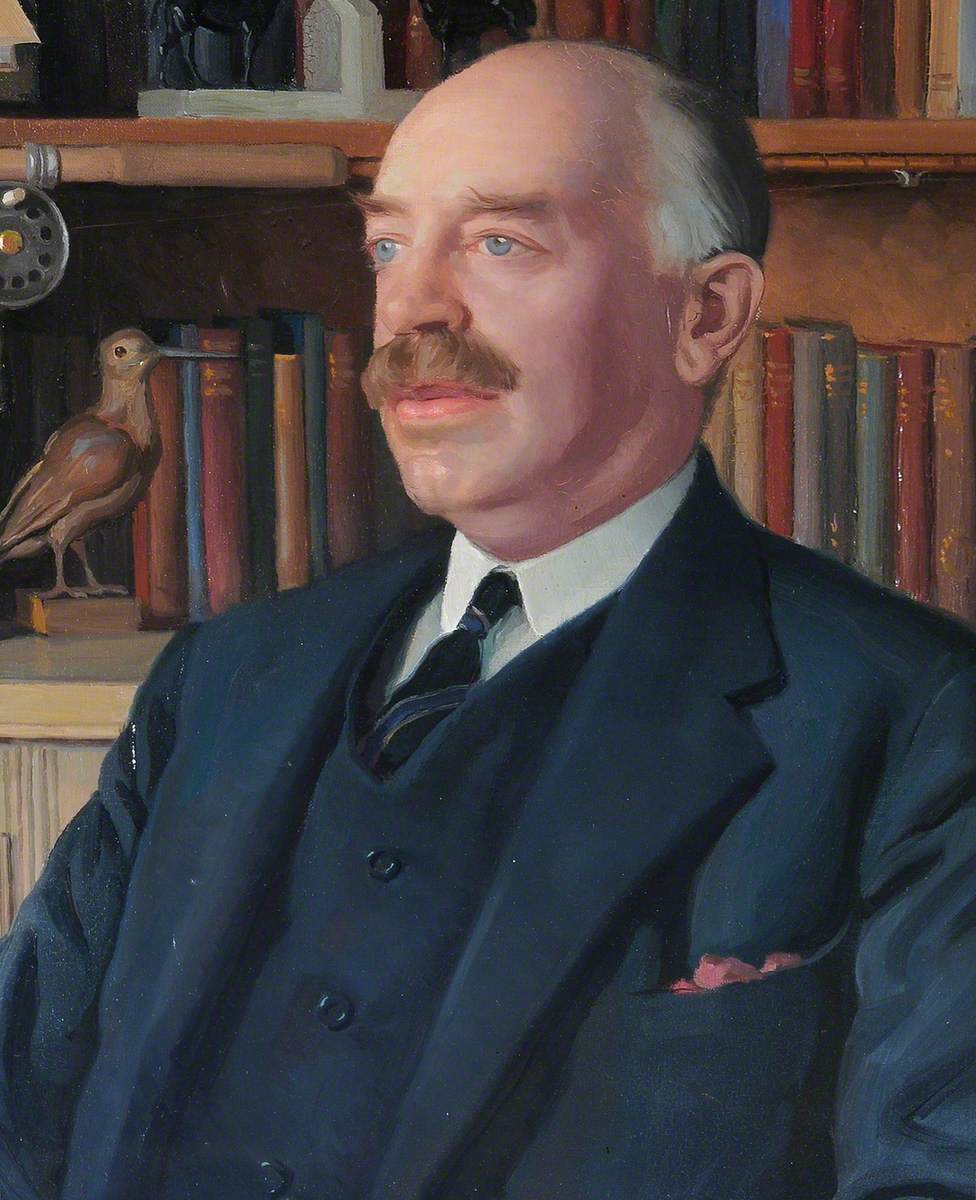
David Davies – Founder and Chair of Wales' National Council (WNC) for the League of Nations
Proposed a Welsh League of Nations from the stage of the Neath National Eisteddfod on August 1918, 5 months before World War One had even ended.