Keeping people safe – a blog about international partnerships

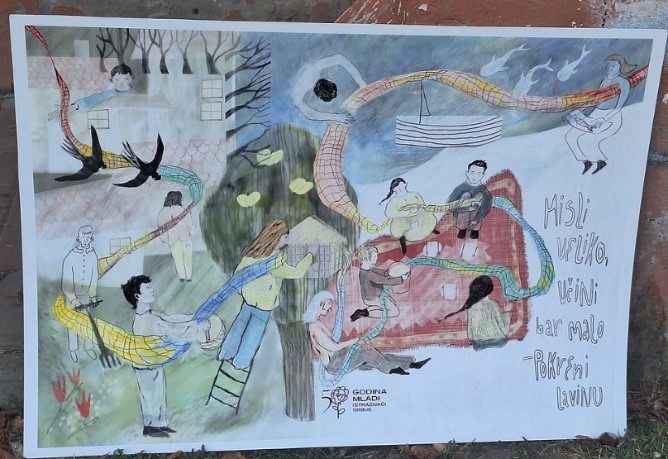
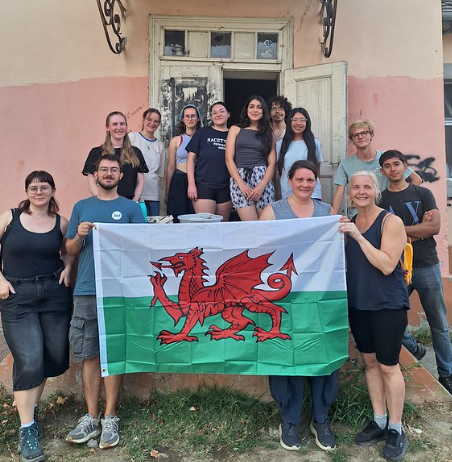
Last week, I was invited to go out to Belgrade to carry out a workshop with young people on safeguarding. The trip was part of a project funded by Taith, an organisation that enables international exchange to create life-changing opportunities for people in Wales to learn, study and volunteer all over the world. The project has been about working collaboratively with our colleagues at the Young Researchers of Serbia to help make safeguarding (a subject that can be very process and jargon heavy), easy to understand, easy to work with and easy to engage with. The partnership arose through our shared aims around bringing communities together to act for a fairer world.
What is fascinating about safeguarding is how misunderstood it is. People in the uk react by going very quiet when we start to speak about safeguarding and for good reason. The concept is “heavy”, associated with process and rigour. It comes with phrases like “risk assessment” and “relevant officers” and also very serious issues like “abuse, neglect, and bullying”.
On the other hand, most people outside of the uk don’t’ have access to the term because developing approaches to keeping people safe are not dealt with as a blanket set of processes and policies. As a colleague from Germany pointed out: “You love safeguarding in the uk. I’ve never seen another country with so much paperwork.”
When I train young people on the perils of safeguarding, I am always struck by how the policy and the practice don’t tie up easily together. The same qualities that produce “good students” often make young people “bad safeguarders”: the desire to follow the rules, trust in authority figures, belief that the system they are part of will work. It can be difficult to encourage people to make a fuss and intervene because it involves disrupting the system. Even when it’s the right thing to do.
Training in safeguarding often starts with “what would you do” questions:
What would you do if your manager was hostile with just one member of staff all the time?
What would you do if someone was telling racist jokes in the office?
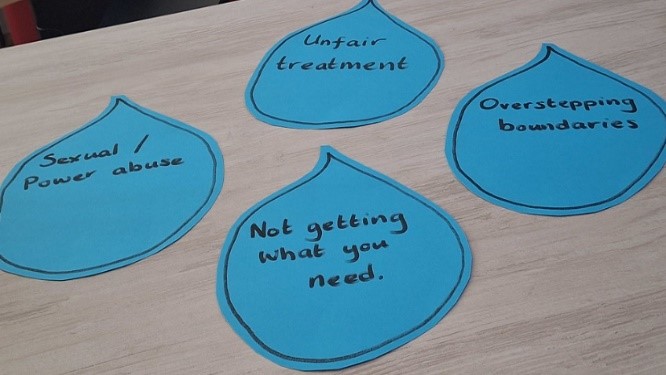
Often, scenarios like these help people to recognise that safeguarding incidents don’t come with a name tag. Rather, they come with a sense of discomfort, an uncertainty about whether this is “okay” and a desire to not really be part of whatever is happening. Empowering people to “take action” involves widening the vocabulary for identifying what you see, then training in good methods for disrupting dynamics of power and engaging in forms of protest. They also involve being confident with recognising when behaviour is “over the line” and confident that reporting it will have a positive outcome.
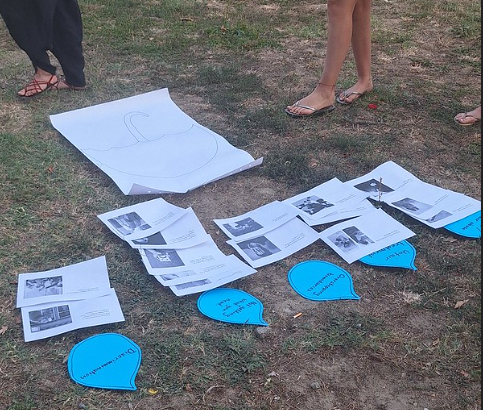
Working with the camp outside of Belgrade involved a workshop where we spoke about “things that go wrong” in the first instance. We invited our young people to consider questions like the ones above and others that are more specific to work camp dynamics, such as:
What if one of the volunteers is unwell and isn’t being taken to a doctor?
What if the kitchen isn’t fit for purpose?
The young people were quick to suggest solutions and ways to fix the issues that arose and it was interesting to consider whether these were issues that were about them or were, in fact, for their host organisations, or indeed people organising travel internationally, to take a greater role. I came away from the workshop thinking a lot about community and how, when it comes to keeping people safe, there are really two components at work.
The first is that everyone is honest about what they see and what they feel. The single biggest issue in safeguarding is that people stay silent, fearing becoming a trouble maker or being ostracized from the wider group. The second is that what is said, is genuinely and honestly listened to and acted upon. Sometimes that information is simply an opportunity to understand one another better. Frequently, it’s a common experience that needs process and strategy to fix. When people come together with a shared commitment to do things better, we can make magic.
Our Serbian partners will be working with us throughout the next few months to produce a wordless animation which all organisations working with volunteers will be able to share to agree safeguarding standards, understand what is okay and what isn’t and to develop an understanding of how to take action on the things that matter. Keep an eye on our website for more details!