

When the World came to Aberystwyth: the 1926 League of Nations Congress, 29 June-3 July.
Archive of the Month – 100 years ago
View People’s Collection Wales digitised items from the 1926 Peace Congress (from the Temple of Peace Archives)
When the League came to Wales
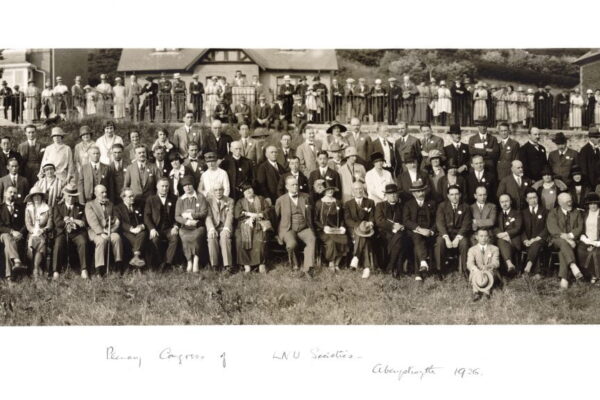
Group photo of delegates to the 1926 Congress of the International Federation of League of Nations Societies, taken adjacent to the main venue, University Hall on North Road, during a brief break in the packed schedule. Organiser Major David Davies (with hat and moustache) can be spotted sitting the front row RH, above the handwritten ‘w’ of ‘Aberystwyth’.
Paris, London, Brussels (1919), Milan (1920), Geneva (1921), Prague (1922), Vienna (1923), Lyon (1924), Warsaw (1925)… ABERYSTWYTH (1926)… Berlin (1927), The Hague (1928), Prague (1928), Madrid (1929), Brussels (1934), Geneva (1936)…
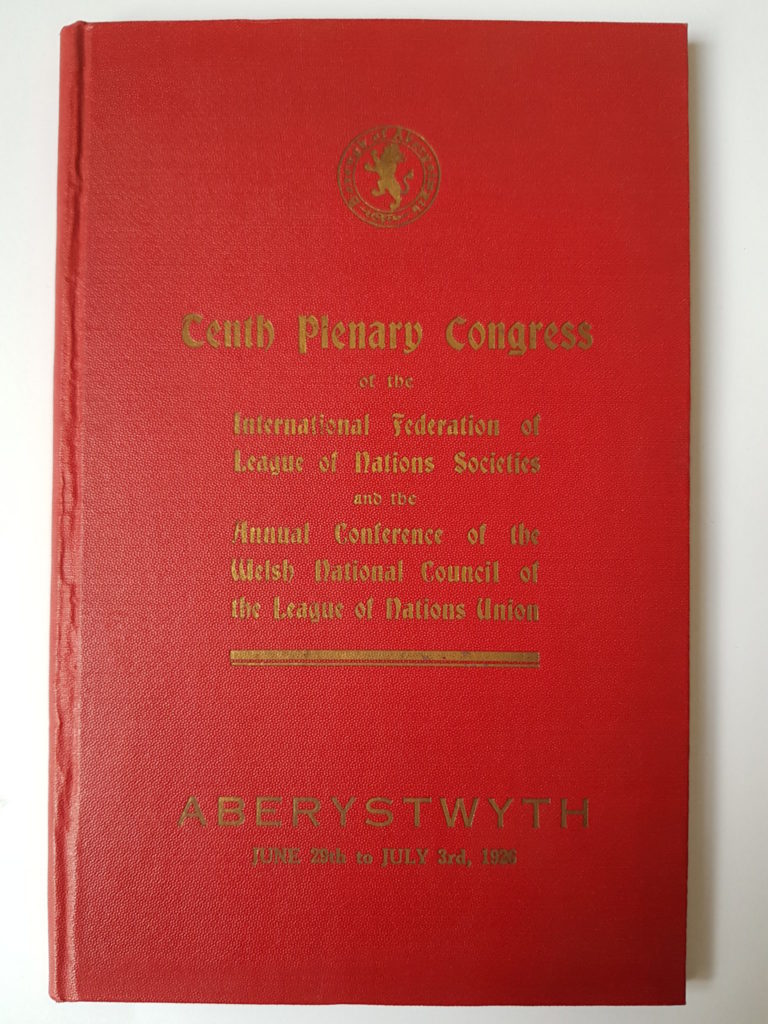
Between June 29th and July 3rd 1926, the West Wales University town of Aberystwyth briefly became the ‘centre of the diplomatic world’, as it hosted a gathering equivalent to today’s United Nations General Assembly: the 10th Plenary Congress of the International Federation of League of Nations Societies (IFLNS). West Wales welcomed international delegates from 40 nations worldwide, from the US and Japan to German and Italian deputations, all working towards one common goal: no less than World Peace in the aftermath of World War. Over 3,000 ordinary people turned out for the public meetings held alongside the Congress – equating to 1/3 of the local population, a remarkable reflection of Welsh strength of feeling towards world peace in the aftermath of World War One.
The IFLNS was established in 1920 as the civil society support body (often referred to as the ‘third arm’) of the League of Nations in Geneva, and was the “leading international nongovernmental organization for the promotion of peace between the world wars” (Thomas Davies, 2012). Headquartered initially in Brussels 1920-34, then Geneva, Switzerland 1934-46, it was succeeded after World War 2 by the World Federation of United Nations Associations (WFUNA) – a transition mirrored in Cymru by the Welsh League of Nations Union (WLNU) ‘morphing’ into UNA Wales. The Archives of the International Fed / IFLNS are held in Brynmawr College, US, and at the UN Archives, Geneva, alongside those of the intergovernmental bodies themselves among the League of Nations Archives .
The 1926 IFLNS Congress had originally been scheduled to be hosted by Dresden, following Germany’s admission to the League after signing of the 1925 Locarno Treaties. However, post-WW1 opposition to German reintegration into the apparatus of international diplomacy led to withdrawal of Dresden’s candidature to host the prestigious Congress.
Why Aberystwyth?
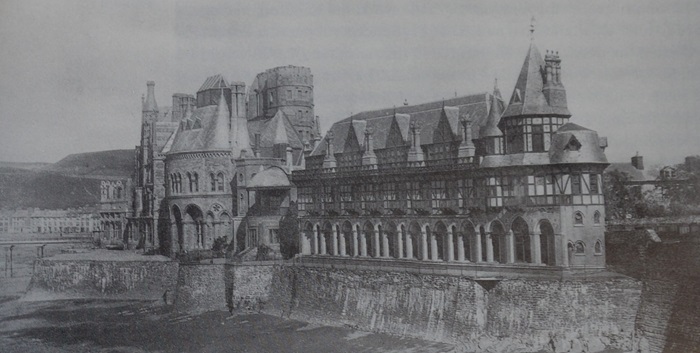
With just 3 months to go, Welsh peacebuilder and philanthropist David Davies used his considerable influence (and financial support) to enable that year’s critical congress to go ahead, by ‘offering Wales’ as an alternative host nation. He was the ‘Controller’ (effectively Chair, from 1925 to 1929) of the International Federation, as well as having founded the Welsh League of Nations Union from 1922; and he was also a Director of the Great Western Railway, through whom he organised transportation for the hundreds of delegates, with a special train laid on from London Paddington.
- David Davies: The Peacemonger – J Graham Jones, Liberal History 2001
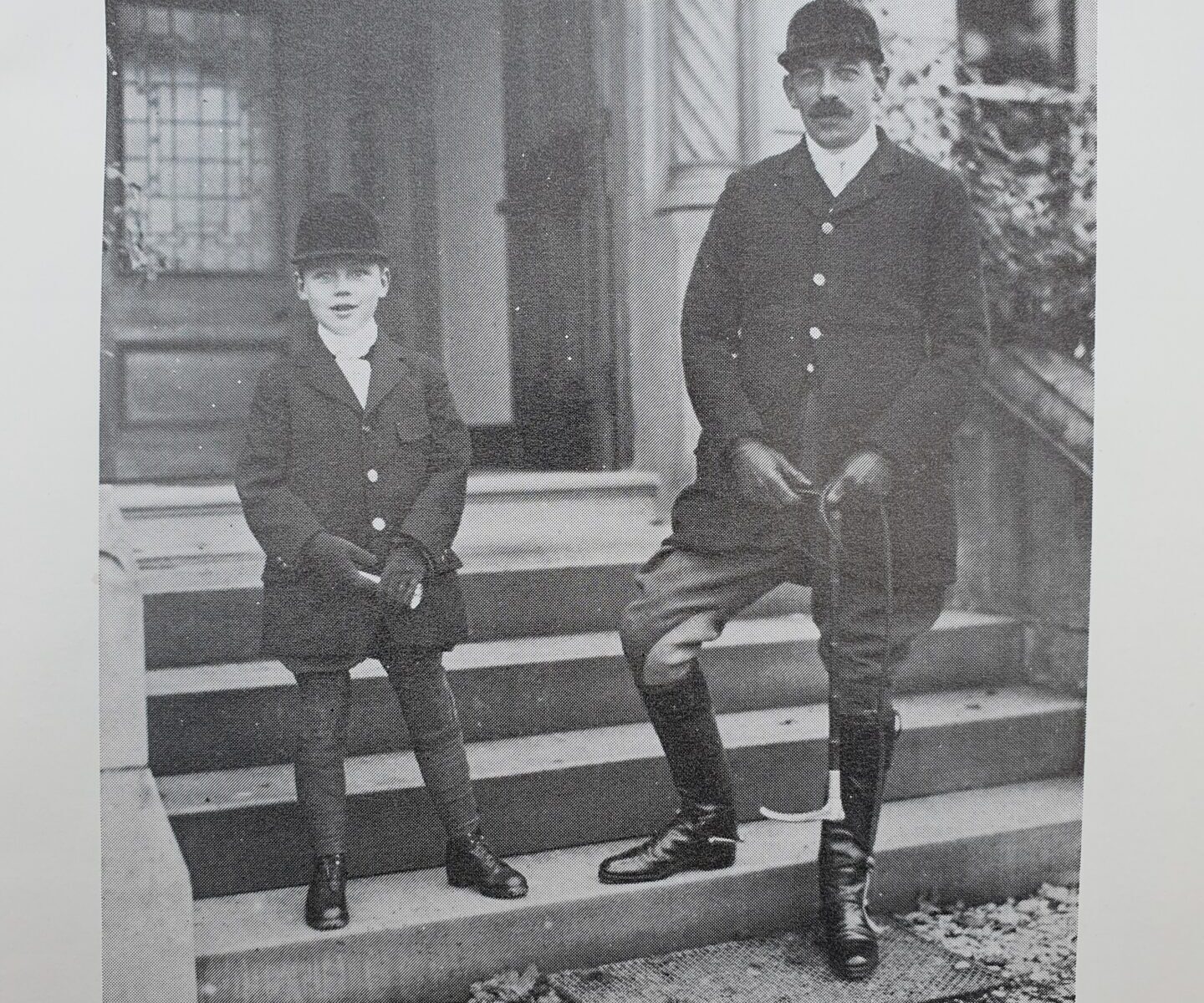


Above: (LH) – Major David Davies pictured 1922 with son Michael at home of Plas Dinam, Montgomery; (middle) – WLNU Special ‘Peace Train’ arriving at Aberystwyth; (RH) Annie Hughes Griffiths and colleagues presenting Welsh Women’s Peace Petition at the White House in Feb 1924 (WLNU press clippings, Temple of Peace Archives)
The WLNU’s President for 1925-6, Annie Hughes Griffiths, had recently returned from leading the 1924 Welsh Women’s Peace Appeal to America, which had catapulted the women of Wales into the spotlight of the world stage for peacebuilding and diplomacy. Annie’s brother John Humphreys Davies was Principal of Aberystwyth University from 1919-26, and with the end of academic term he had it in his gift (with the support of the university’s board) to make the whole institution available. The opportunity to host one of the world’s most prestigious and high profile events was undoubtedly a coup – and one which this small coastal town of less than 10,000 population embraced with open arms, with reportedly hundreds turning out to welcome their global visitors waving flags of the world.
Within less than 12 weeks, the entire world congress was relocated to West Wales, and a programme devised.

Welsh League of Nations Union (WLNU) President Annie Hughes Griffiths accompanies German delegate (and former US Ambassador) Count Bernstorff (see quote below) from Aberystwyth Railway Station – from WLNU / Temple of Peace Press Cuttings.
Who Came – and What did they Do in Aber?
The Itinerary and Delegates list (click link or image below to view digitised booklet on People’s Collection Wales) details the day-to day schedule for the week, as well as the list of official attendees.
- Friday 25 June – Monday 28 June: initial meetings in London at the headquarters of the UK League of Nations Union, 15 Grosvenor Square
- Tuesday 29 June – special train departs London Paddington 8.50am, with a full luncheon service en route, arriving at Aberystwyth 2.50pm where delegates were guided to their hotels.
- At 4pm the inital congress plenary began at University Hall, with a Mayor’s Reception folllowed by dinner.
- Wednesday 30 June – Following a full day of Congress Plenary, an excursion was laid on by the Town Council and Welsh League of Nations Union (WLNU) by charabanc or train to Tregaron, where an address was given by Rev Gwilyn Davies (WLNU Director) at the statue of Henry Richard on the ‘Apostle of Peace’ (based on this booklet from 1924).
- Thursday 1 July – Following a morning of Congress Plenary, from 2pm an excursion offered visitors a ride on the Rheidol narrow gauge railway up to the celebrated beauty spot of Devils’ Bridge (a journey that can still be enjoyed by steam today).
- At 8pm a public meeting was hosted in University Hall enabling Welsh people and peace campaigners to meet with League visitors from around the world.
- Friday 2 July – full day of Congress with an ‘official luncheon’; meeting of the WLNU Welsh National Council (digitised record here); culminating at 8.30pm with a Principal’s Reception in the University College on the seafront.
- Saturday 3 July – WLNU learning seminar on the ‘Work of branches across Wales’, followed by closing plenary of the Congress by 11.15am
- 12.00 – Special train departs Aberystwyth, with lunceon and tea service en route before reaching Paddington at 6pm for onwards connections to continental boat trains.
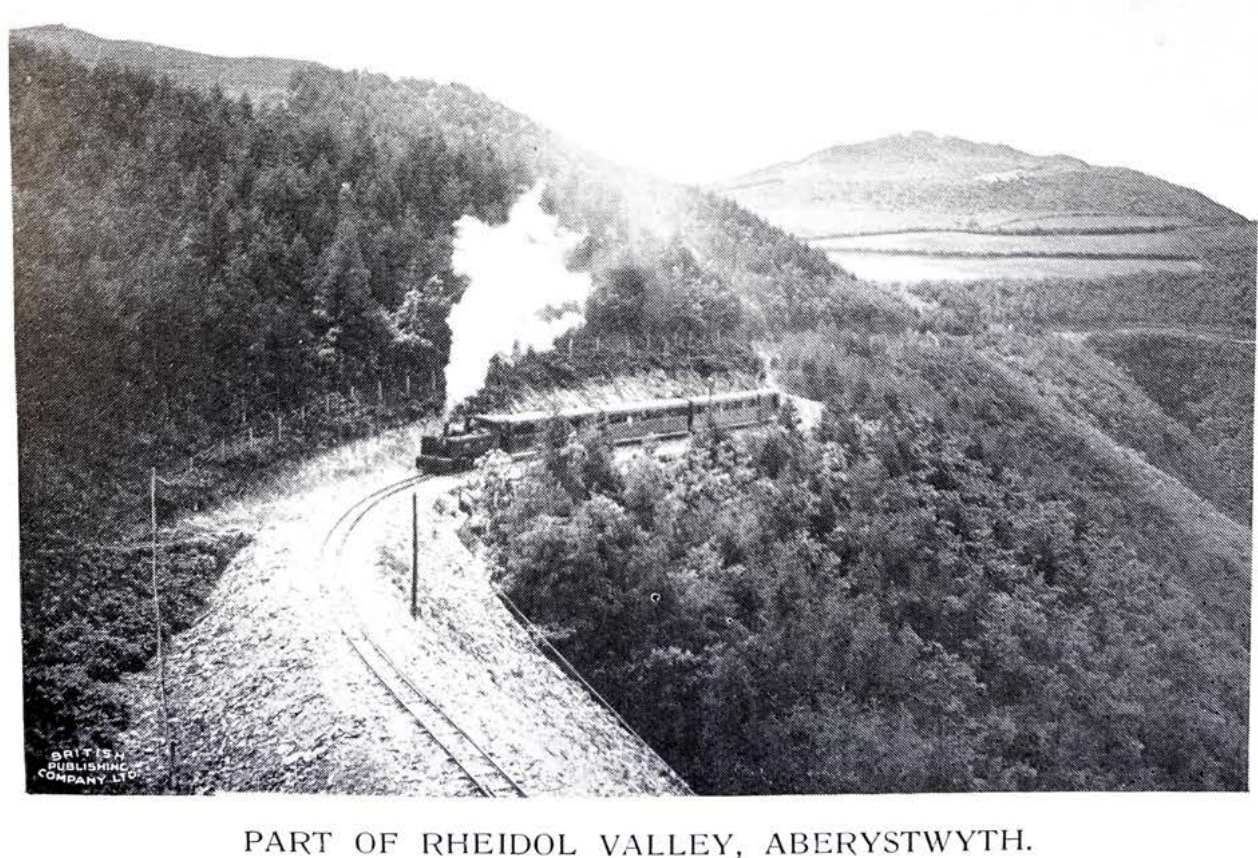
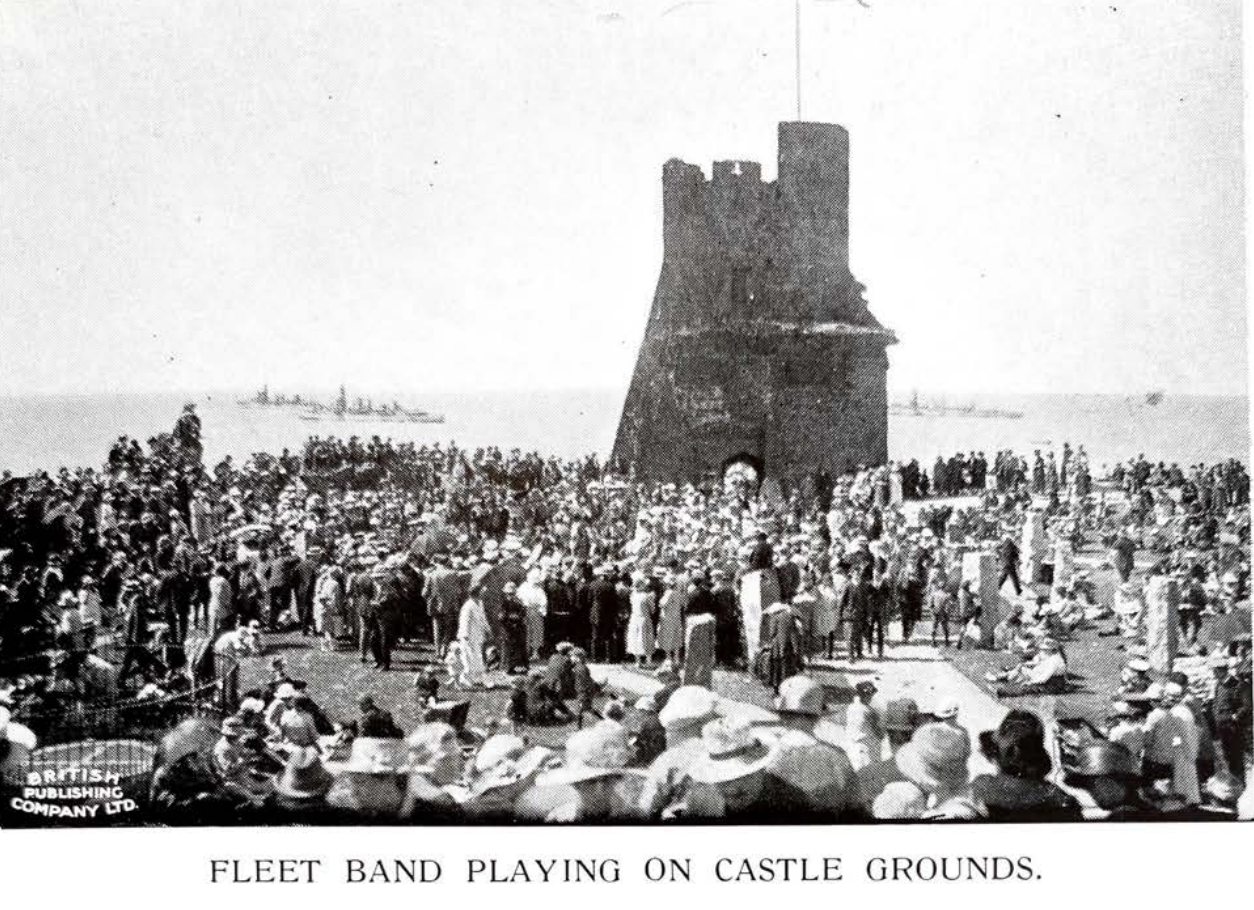
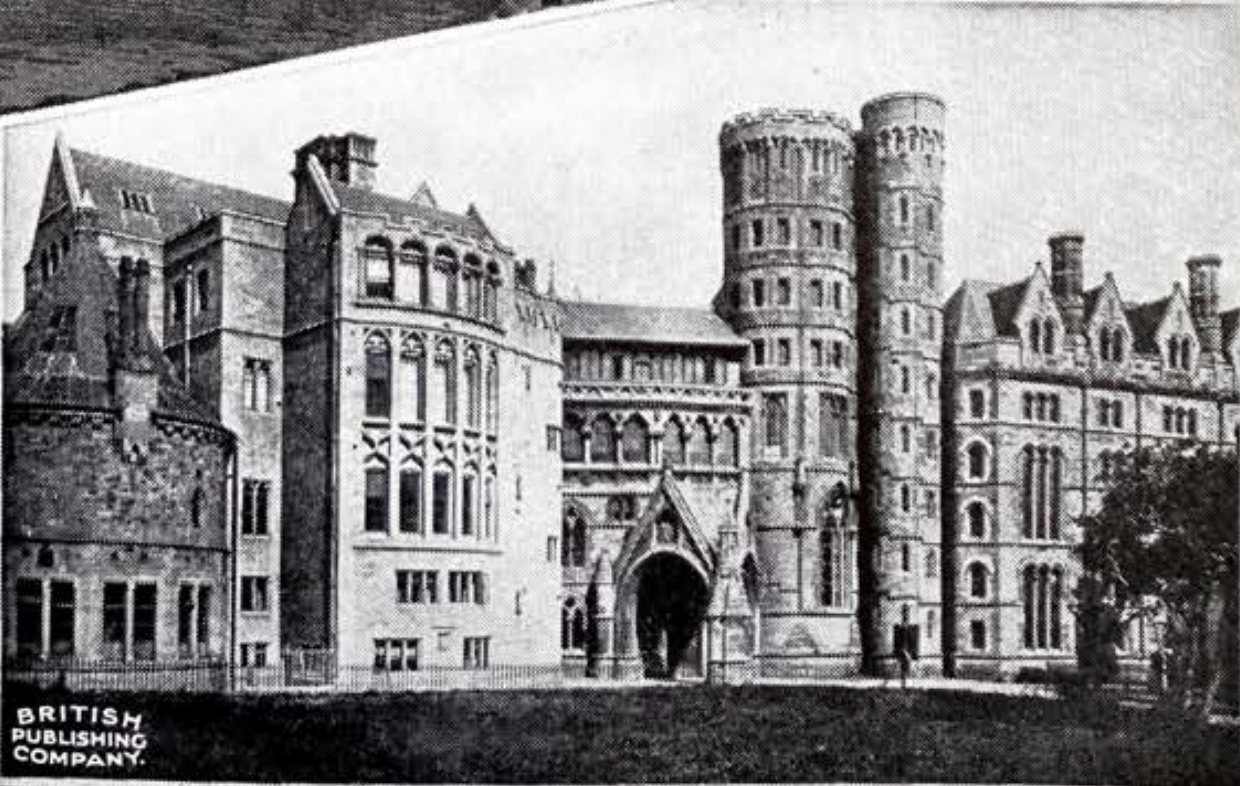
The attendees list includes details of delegates representing:
- Germany
- Austria
- Belgium
- Bulgaria
- China
- Spain
- United States
- France
- Great Britain
- Greece
- Hungary
- Italy
- Ireland
- Japan
- Latvia
- Netherlands
- Palestine
- Poland
- Romania
- Russia
- Sweden
- Switzerland
- Czechosovakia
- League of Nations Secretariat
- International Labour Organisation (ILO)
- IFNLS Federation staff
Impact of the Congress
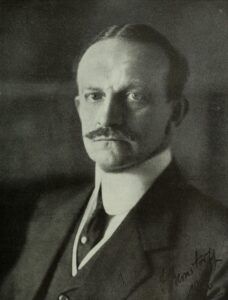
Count Bernstorff, who led the German delegation as a member of the Weimar Republic’s Reichstag 1921-28 (and founder of the German Democratic Party) and League of Nations Ambassador, wrote many years later in his memoirs specifically of his fond memories of Aberystwyth and the deep impression made on him by Wales and the Welsh people’ and their ‘s commitment to peace building:
“The peregrinations of the Central Association to the different countries was always providing new impressions, but none were so strong as those of Aberystwyth. We were indeed always received with friendliness and hospitality everywhere, but such generous hospitality, and such sympathy on the part of all classes of the population, we never met with in the same degree as in Wales. At Aberystwyth, the whole town turned out to do us honour, and the streets as well as the railway station were lavishly decked with flags. Mayor and Councillors arrayed in their historic garb awaited us on the platform, when the admirable special train placed at our disposal drew in. Our whole visit passed off in similar fashion. The population greeted our arrival with applause and watched our negotiations with extreme interest. At the public meeting which was arranged, so many people attended that the hall, which provided seating accommodation for three thousand, was overfull.
The attitude of the Welsh population was for all of us a surprise… No one would have believed that the interest among the large masses of the inhabitants and especially among the students would be so great. A second surprise to us was the prominence of the Welsh character and sentiment. The speakers always referred to themselves as the representatives of a small nation, and spoke in their own Celtic language (which is far more in common use than the Plattdeutsch in Schleswig-Holstein). I have never met with a bilingualism so peacefully disposed, except perhaps in the French territories of Canada. At meetings, the Welsh national hymn was always sung as well as “God Save the King,” and the Celtic songs, sacred and otherwise, gave us frequent pleasure. The general impression was of a contented and loyal minority persisting for centuries within a strong State. This experience made a particular impression on all delegates, and moved me in my public speech to instance Wales as a model for the solution of the Minorities question.”
Count Bernstorff refers here to the post-WW1 treaty negotiations through which the League of Nations were seeking to protect “basic rights on all inhabitants of any country without distinction of birth, nationality, language, race or religion” – the balance between recognising sovereign states and identities within and across borders. He would later be forced to flee Germany in 1933 following the rise of Hitler, for Geneva in Switzerland – the epicentre of the League of Nations.
Rediscovering the Hidden History
The story of ‘how’ peaceful West Wales came to welcome such a world congress, was originally pieced together in 2016 by Aberystwyth University Librarian and Author Elgan Phillip Davies, for an exhibition (in partnership with WCIA’s WW1 Centenary‘Wales for Peace’ programme) staged in the Hugh Owen Library to mark the 90th Anniversary of the Peace Congress ‘coming to town’.
- Aberystwyth University’s feature article from 2016 marking the 90th anniversary, and explore the WLNU materials since digitised, to discover more about when the interwar world came to Wales.
- Aberystwyth Special Collections Blog, 2016
- BBC feature on 90th Anniversary Congress Exhibition
The exhibition used a number of artefacts from WCIA’s Collections at the Temple of Peace, which remain on view in the Temple’s Council Chamber, and can be explored digitally via the links from this feature.
View short interview with Elgan Philip Davies at
https://youtu.be/5GPL9qvRTcc?si=af7oALFWH5RCrzFr
This feature has been expanded through research by Craig Owen, Cymru Global’s Heritage Advisor, undertaken as part of his MPhil research into Wales’ Peace Heritage, and updated ahead of the centenary of the Aberystwyth Congress over June-July 2026.
View People’s Collection Wales digitised items relating to the Peace Congress